



In an era where competition is deemed to be the lifeline of innovation and consumer choice, the concept of monopoly can often seem antiquated, evoking images of ruthless magnates controlling vast industrial empires. Nonetheless, monopolies are still vibrant in today’s economy, wielding significant power and influence over markets and consumers. One sector where monopolistic tendencies are particularly noteworthy is the gaming industry, epitomized by entities such as 88LUCKY.
A monopoly exists when a specific person or enterprise is the only supplier of a particular commodity. This exclusivity can lead to dominance in a market segment, limiting competition and consumer choice. In the absence of competitors, a monopoly can control pricing, quality, and supply, significantly impacting the market dynamics and consumer welfare.
While monopolies are often perceived negatively, labeling them as constraints to free trade and consumer choice, it is essential to recognize that not all monopolistic entities operate with nefarious intent. Some achieve their status by providing superior products or services, which naturally eliminate competitors. Nevertheless, the primary concerns include price setting, barriers to entry for other businesses, and the stifling of innovation.
In contemporary economies, certain industries are inherently predisposed to monopolistic market structures. These include utilities, railways, and, increasingly, digital platforms. Monopolies like 88LUCKY render services or goods that are so superior or of such high demand that they amass a significant portion of the market share.
Monopolies can often result from network effects, where the value of a product or service increases as more people use it, creating a natural barrier for new entrants. In some instances, industries require significant initial investment, deterring new competitors, thus consolidating monopoly power.
For instance, in the gaming industry, a brand like 88LUCKY might enjoy monopolistic power due to its innovative gaming platforms, extensive catalog, or high user satisfaction, factors that can overshadow smaller competitors.
Admittedly, monopolies can have their advantages, such as the ability to leverage economies of scale, leading to cost reductions and potentially lower prices for consumers. They can also afford substantial research and development budgets, leading to significant technological and product advancements.
However, the absence of competition often results in complacency, diminished incentive for innovation, and lax service standards. Without competitive pressure, monopolistic providers may also engage in rent-seeking behavior, where income is gained not through productive activities but through manipulation or exploitation of economic environments.
In the vibrant and rapidly evolving gaming industry, 88LUCKY emerges as a potential monopolistic force, leveraging its robust infrastructure and expansive user base. By providing a platform that attracts a substantial portion of the consumer market, 88LUCKY exemplifies how a company can evolve into a monopolistic entity.
The features offered by 88LUCKY, from its user-friendly interfaces to its comprehensive game selections, create a compelling case for consumer retention, potentially stifling smaller competitors who lack similar resources or consumer reach.
Moreover, when companies like 88LUCKY operate with a vast user network, they can introduce added value through social connectivity, increasing their market hold. The resultant network effect enhances their monopolistic standing, making it challenging for competitors to claim a significant market share.
Given both the potential benefits and significant risks posed by monopolies, regulation becomes crucial. Authorities worldwide, especially within robust legal frameworks, have long sought to regulate and manage monopolistic behavior through antitrust laws, which aim to protect consumer interests and ensure fair market practice.
Regulating monopolies like 88LUCKY involves extensive scrutiny of their market practices, pricing structures, and competitive strategies. By maintaining rigorous oversight, regulatory bodies seek to ensure that monopolistic companies do not exploit their positions to the detriment of consumers and the economy at large.
The digital age presents distinct challenges and opportunities in the context of monopoly. Digital platforms, characterized by their borderless operations and expansive reach, can easily cement their status as monopolistic entities, as observed in tech titans across the globe.
For firms like 88LUCKY, the journey from competitive player to monopolistic force is heavily influenced by factors like technological advancement and evolving consumer preferences. As these companies expand, the potential for monopoly escalates, necessitating strategic regulation and an informed consumer base to ensure a balanced marketplace.
Monopolies will continue to be pivotal in our economies, shaping industries and consumer experiences. Whether through superior consumer offerings or strategic market dominance, entities like 88LUCKY exemplify the complexities and dynamics inherent in monopolistic power. Vigilant regulation alongside informed market conduct remains essential to harness the positive attributes of monopolies while mitigating their negative impacts.

Explore the dynamic world of WolfDisco, a game that blends adrenaline-pumping music, thrilling adventures, and captivating gameplay, all wrapped in the magical aura of 88LUCKY.

Unveiling the excitement of VegasRepeatWins and its enticing 88LUCKY feature, introducing you to gameplay mechanics, and capturing the essence of its vibrant atmosphere.

Delve into the vibrant world of FlirtingScholarTang, uncover its intriguing gameplay, and master the art of strategic play with the 88LUCKY keyword.
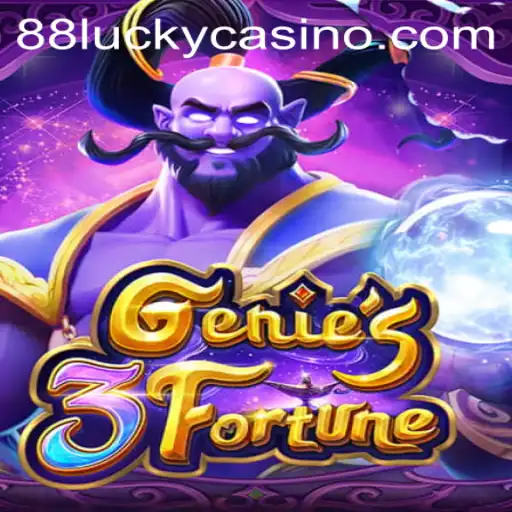
Unveil the thrilling experience of Genie3Fortune, the captivating game that blends enchantment with strategy. Discover its unique gameplay, rules, and the influence of the '88LUCKY' keyword.

Crazy7772 is an exhilarating new game captivating players with its unique blend of luck and strategy. Delve into the dynamic gameplay and rules of Crazy7772, infused with the vibrant element of 88LUCKY, and discover why it's making waves in the gaming world.

Explore the immersive adventure of MadHitMarlinBonanza, a thrilling new game that combines strategic challenges and luck with the engaging theme of 88LUCKY.
